
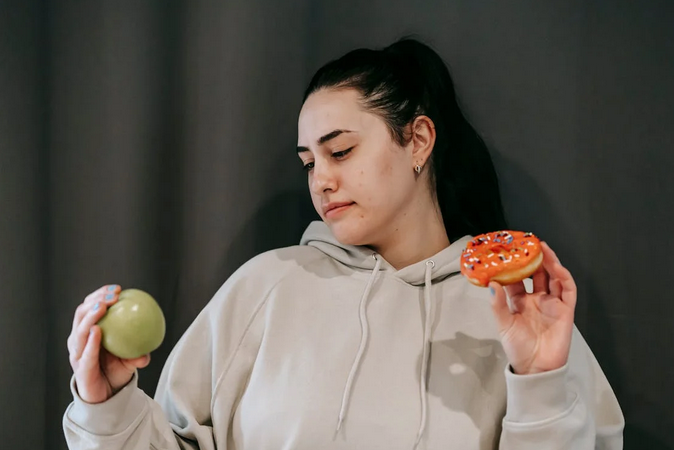
Most people want to feel better in their bodies. They want energy, balance, and long-term health. But too often, the solution people turn to is a diet. Diets promise fast results. They offer rules, structure, and a sense of control. The problem is, they rarely work for the long haul. Many people end up feeling deprived, frustrated, or worse, back where they started. Creating a sustainable, healthy lifestyle means moving away from diets and towards habits. This can also mean encouraging health enthusiasts to start relying on essential products that promote healthy living.
Start With Real Food, Not Restrictions
Healthy living doesn’t have to mean cutting out your favorite meals. It begins with choosing real, whole foods more often. That means fruits, vegetables, lean proteins, whole grains, and healthy fats. These foods support the body’s natural systems. They keep blood sugar stable and provide lasting energy. Instead of eliminating foods, focus on adding better ones. That small shift in mindset creates a foundation that doesn’t feel punishing. You’re not on a diet, you’re simply making your meals work for your goals. This approach creates space for flexibility and enjoyment, not just discipline.
Eat With Awareness and Intention
How you eat matters as much as what you eat. Many people eat on the go or in front of a screen. That can lead to overeating and a disconnect from hunger cues. Eating with awareness, sometimes called mindful eating, helps reconnect you with your body. Pause before meals. Notice when you feel satisfied, not stuffed. Slowing down helps the body digest better and gives your brain time to register fullness. When eating becomes more intentional, cravings often lessen, and the need for extreme food rules fades.
Make Movement Part of Your Day
Exercise shouldn’t be a punishment for eating. It should be something that supports your mood, energy, and strength. You don’t need long gym sessions to be healthy. Regular movement throughout the day adds up. A walk after dinner. Stretching in the morning. Lifting groceries with care. Find something you actually enjoy. That could be dancing, hiking, yoga, or lifting weights. The key is consistency. Building a sustainable habit means choosing activities that feel doable, not just impressive. The more you move in ways that feel good, the more your body responds with strength and stamina.

Prioritize Sleep and Rest Without Guilt
A healthy lifestyle isn’t just about food and fitness. Sleep and recovery matter just as much. Without rest, your body can’t fully repair or function well. Hormones get thrown off. Stress builds. Cravings increase. Even your mood and memory take a hit. Aim for a consistent bedtime. Wind down without screens. Use rest days to restore, not as an excuse to feel lazy. Taking care of yourself means giving your body space to recharge. That’s not optional, it’s essential. Over time, better sleep supports better choices in every area of health.
Stay Hydrated and Simplify Your Habits
Water supports digestion, energy, skin health, and more. Many people confuse thirst with hunger, leading to unnecessary snacking. Keeping a water bottle nearby helps make hydration automatic. You don’t need to track every sip, but regular reminders help. At the same time, avoid overcomplicating your health routine. You don’t need ten different supplements or a dozen rules to follow. Keep it simple. Eat real food, move often, sleep well, and drink enough water. These basics offer the most impact, especially when done consistently.
Focus on Progress, Not Perfection
The goal isn’t to live without treats, skip every indulgence, or avoid all mistakes. The goal is to build habits that support your health most of the time. When you focus on progress, you’re more likely to stick with your plan. Perfection only leads to guilt and burnout. If you eat something less nutritious, move on. If you miss a workout, don’t spiral. Each day is a new chance to make choices that serve you. It’s better to be 80% consistent for years than 100% strict for a week. Over time, that consistency becomes your lifestyle.
Your lifestyle should fit your needs, not someone else’s expectations. What works for one person may not work for another. The beauty of a sustainable approach is that it can evolve with you. It’s flexible. It adjusts as life changes. Whether you’re juggling work, family, or personal goals, the key is to find systems that feel natural. That might mean prepping food in advance, walking during breaks, or using tools that keep you accountable. The utmost priority should be creating something that doesn’t feel forced. When your habits reflect your life, they stick.