

Recovery begins the moment training ends. For athletes, that recovery window is key. The right food choices can reduce soreness, rebuild muscle, and restore energy. Skip this step, and you risk fatigue, slower progress, and even injury. Recovery isn’t only about sleep and stretching. It’s also about feeding the body what it needs, right when it needs it, just as preparation is essential whether you’re stepping onto the field or analyzing odds on the best offshore betting sites.
Rebuilding Muscle With Protein
Every intense movement breaks down muscle fibers. That’s how muscles grow stronger through repair. Protein helps with that process. Without enough of it, the body struggles to rebuild. Athletes need a consistent intake to stay strong and avoid overtraining. Chicken, fish, tofu, eggs, yogurt, and protein shakes are all great sources. After a workout, even something simple like a smoothie or protein bar can make a big difference. Quick delivery of protein right after exercise gives muscles the materials they need to heal.
Restoring Energy With Carbohydrates
 Carbs matter just as much as protein. Athletes burn through stored energy called glycogen when they train. To replace it, they need carbohydrates. This isn’t about sugary snacks or empty calories. It’s about smart choices like rice, oats, fruits, and whole-grain breads. After a game or workout, carbs help bring energy levels back up. They also support recovery by preventing the body from breaking down muscle for fuel. Carbs aren’t just about performance, they’re also about protection.
Replacing What’s Lost Through Sweat
Intense training leads to fluid loss. So do long games, hot conditions, and hard workouts. Rehydration is more than just drinking water. When you sweat, you also lose electrolytes. These minerals, sodium, potassium, and magnesium, keep muscles working properly. Without them, you may feel weak, dizzy, or cramp up. To recover fully, you need to replace both water and electrolytes. Sports drinks can help, but so can coconut water, bananas, and even salty broths. Keep fluids steady before, during, and after activity.
Soothing Inflammation With the Right Foods
Sore muscles and tight joints are common after hard efforts. That discomfort is partly due to inflammation. While some inflammation is normal, too much of it slows recovery. The good news: food can help. Omega-3 fats from fish like salmon, antioxidants from berries, and compounds in turmeric all work to ease inflammation. Leafy greens, nuts, and olive oil also support recovery. A diet that includes these regularly can help athletes feel better, move better, and stay active longer.
Getting the Right Nutrients for Healing

Micronutrients play an often-overlooked role in recovery. Vitamins and minerals don’t just keep you healthy. They help your body fix itself. Vitamin C aids tissue repair. Iron supports oxygen flow to muscles. Zinc helps fight off illness, which is more likely when the body is run down. Magnesium supports muscle function and recovery. These nutrients aren’t hard to find. Oranges, spinach, seeds, red meat, and beans all offer support. A diverse diet goes a long way toward meeting these needs. Supplements can help if there are gaps, but real food should come first.
Tailoring Recovery to the Moment
Not every recovery meal looks the same. A short workout needs less replenishment than a marathon session. A game may require faster refueling, especially with travel or back-to-back events. Some athletes eat light right after a match and follow it with a bigger meal later. Others eat immediately. Timing, portion size, and food type may vary, but the goal remains the same: rebuild, rehydrate, and refuel.
Recovery isn’t a luxury. It’s part of the process. For athletes, food plays a central role in how the body bounces back. Protein builds. Carbs refuel. Fluids restore. Micronutrients protect. Anti-inflammatory foods ease the strain. To stay at the top of your game, you need more than training. You need a recovery routine that includes smart nutrition. It doesn’t have to be complicated. It just has to be consistent. Make recovery eating part of your rhythm, and your body will be ready for what’s next.


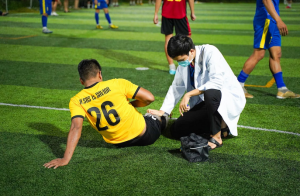 Inflammation is a natural response to injury, but it can also hinder an athlete’s recovery and performance. Chiropractic adjustments have been shown to reduce inflammation by stimulating the nervous system and promoting proper blood flow. A study conducted by the Canadian Memorial Chiropractic College found that chiropractic care significantly reduced levels of inflammatory markers in athletes, leading to faster recovery and reduced muscle soreness.
 Many successful athletes, including Olympians and professional football players, have incorporated chiropractic care into their training regimen. Usain Bolt, the world’s fastest man, credits chiropractic treatment for helping him recover from a severe hamstring injury that nearly derailed his career. Retired NFL player Jerry Rice, widely considered one of the greatest wide receivers in the history of the sport, has been an outspoken advocate for chiropractic care, attributing much of his success on the field to regular adjustments.